When a “Rare” Problem Becomes a Serious One
Rajesh, a 46-year-old marketing executive, ignored a mild burning sensation while urinating for almost a week. “I thought UTIs only happened to women,” he said later. By the time he sought medical help, he had a high fever, chills, and severe lower back pain — signs that the infection had spread beyond his bladder.
Rajesh’s story is more common than most men realize.
Urinary tract infections (UTIs) do occur in men, and when they do, they often signal something more than a simple infection. Unlike UTIs in women, male UTIs are frequently associated with underlying conditions such as prostate enlargement, urinary obstruction, or chronic inflammation. That is why they demand prompt attention, accurate diagnosis, and informed treatment choices.
This long-form guide explores what male UTIs are, why they happen, how they present, and what science says about natural and homeopathic approaches — all through the lens of three decades of medical reporting and patient interviews.
Understanding the Male Urinary Tract
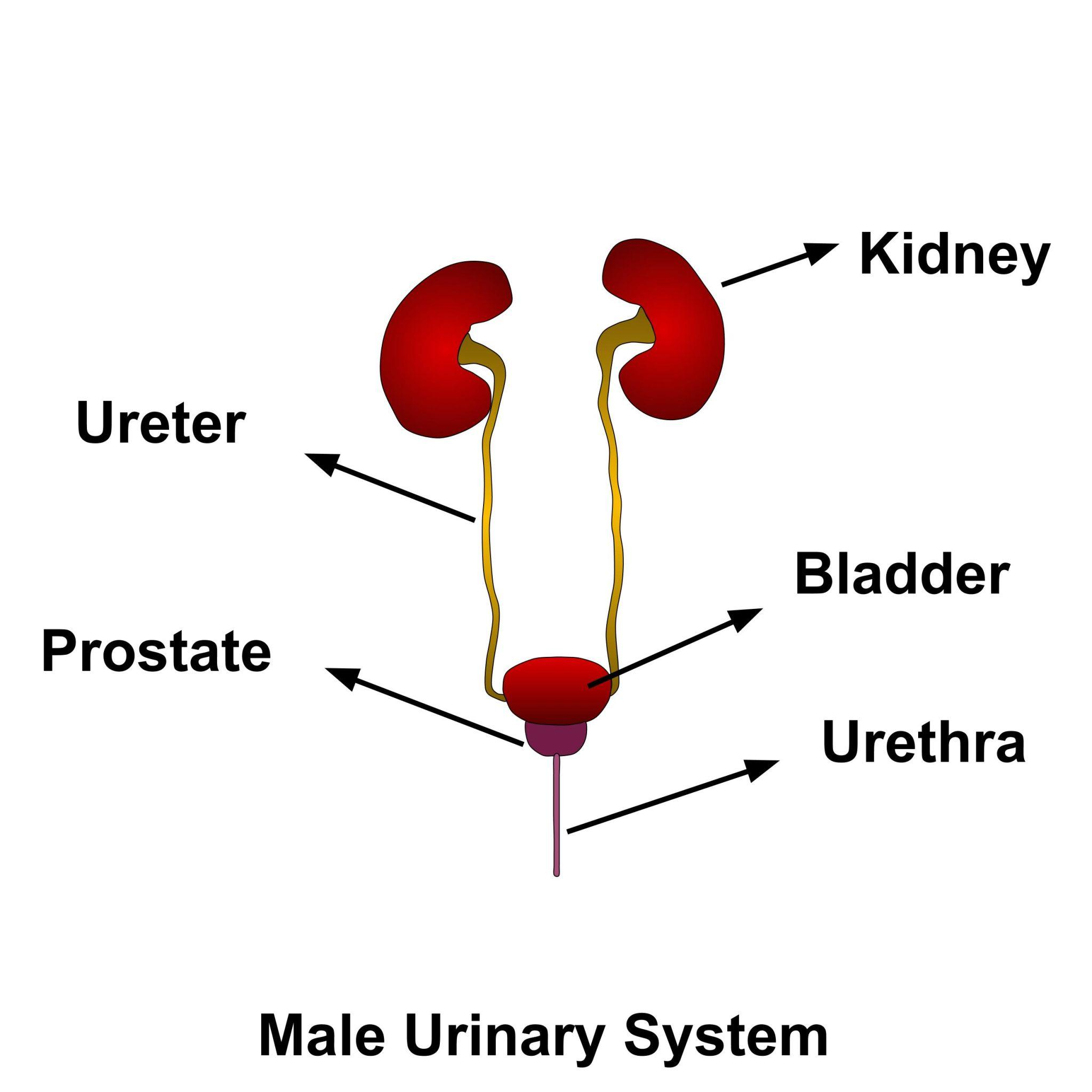
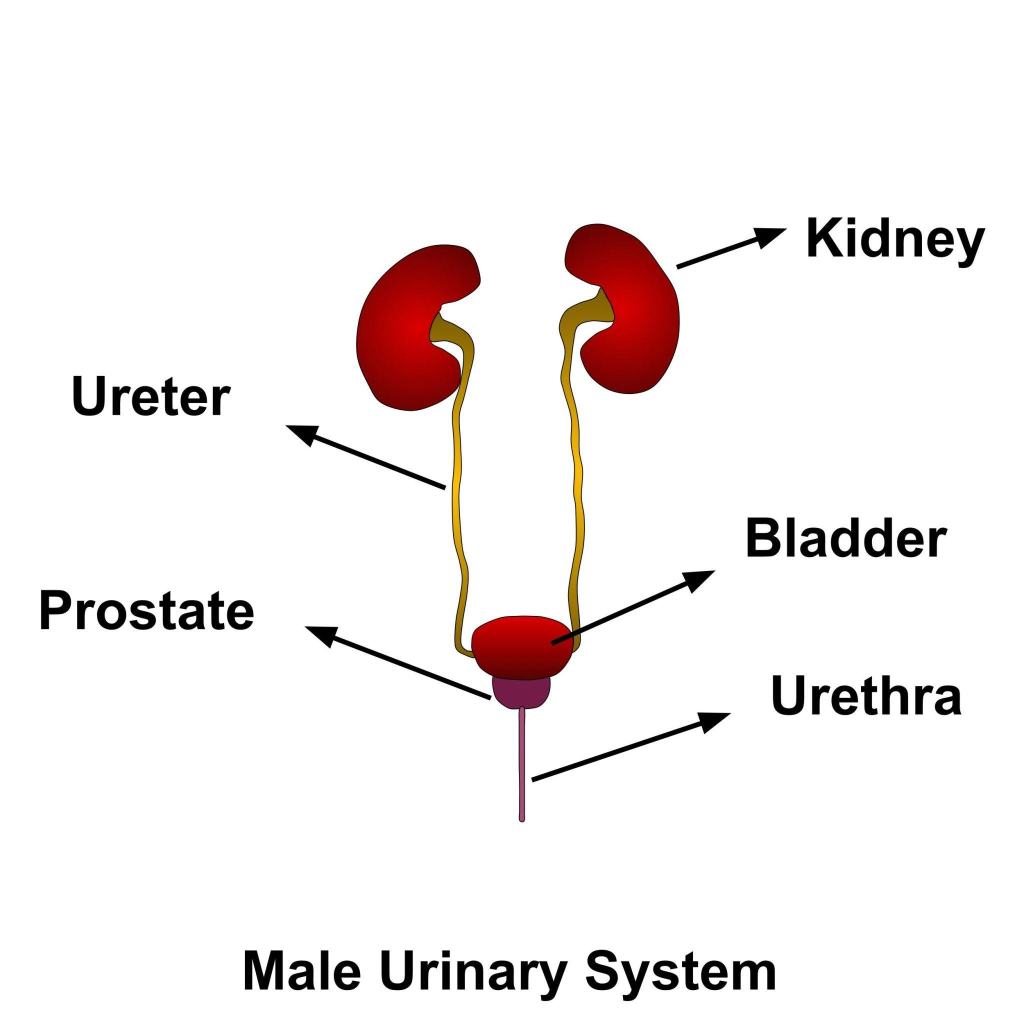
The male urinary tract includes:
- Kidneys – filter blood and produce urine
- Ureters – carry urine to the bladder
- Bladder – stores urine
- Urethra – passes urine out of the body (runs through the prostate)
In men, the prostate gland surrounds part of the urethra, making urinary flow more vulnerable to obstruction or infection. This anatomical difference is one reason male UTIs behave differently from female UTIs.
What Is a Male UTI?
A male UTI is an infection caused primarily by bacteria entering and multiplying within any part of the urinary tract. Depending on location, it may be classified as:
- Urethritis – infection of the urethra
- Cystitis – bladder infection
- Prostatitis – infection/inflammation of the prostate
- Pyelonephritis – kidney infection (most serious form)
Clinically, most UTIs in men are treated as “complicated UTIs”, because they are more likely to recur or reflect deeper problems.
How Common Are UTIs in Men?
UTIs are far less common in younger men than in women, but incidence increases significantly:
- After age 50
- In men with prostate enlargement
- In those with diabetes or weakened immunity
- In patients using urinary catheters
Older men are especially vulnerable, and symptoms can sometimes be subtle — confusion, weakness, or falls may be the first sign.
The Most Common Causes of Male UTIs

1. Bacterial Infection
The most common culprit is Escherichia coli (E. coli), a gut bacterium that can migrate into the urinary tract.
2. Prostate Enlargement (BPH)
An enlarged prostate can obstruct urine flow, allowing bacteria to multiply in residual urine.
3. Urinary Tract Obstruction
Stones, strictures, or tumors can block urine flow and create an environment for infection.
4. Catheters & Medical Procedures
Indwelling catheters are a major risk factor, particularly in hospitalized or elderly patients.
5. Sexually Transmitted Infections
Some STIs mimic or cause urethral infections that resemble UTIs.
Symptoms: How Male UTIs Present

4
Common Symptoms
- Burning or pain during urination
- Frequent urge to urinate
- Cloudy, foul-smelling urine
- Blood in urine
- Lower abdominal or pelvic pain
Red-Flag Symptoms (Seek Urgent Care)
- Fever and chills
- Severe back or flank pain
- Nausea or vomiting
- Confusion (especially in older men)
- Inability to pass urine
Patient Story: A Missed Diagnosis
Anil, 62, had recurrent “bladder infections” treated repeatedly with short antibiotic courses. Only after his fourth episode did imaging reveal an enlarged prostate and incomplete bladder emptying.
“Once the prostate issue was addressed, the infections stopped,” he recalls.
Lesson: recurrent UTIs in men are rarely “just infections.”
Diagnosis: Why Testing Matters
Accurate diagnosis typically includes:
- Urine dipstick test (screening)
- Urine culture (identifies bacteria & antibiotic sensitivity)
- Blood tests (if fever or systemic symptoms)
- Imaging or urology referral for recurrent or complicated cases
Skipping cultures in men often leads to incomplete treatment and recurrence.
Conventional Medical Treatment (Brief Overview)
- Antibiotics tailored to culture results
- Longer courses than those used in women
- Hospital care for severe or kidney infections
- Addressing root causes (prostate treatment, stone removal)
Natural or alternative approaches should never delay antibiotic therapy in symptomatic male UTIs.
Natural & Lifestyle Approaches: What Helps and What Doesn’t
5
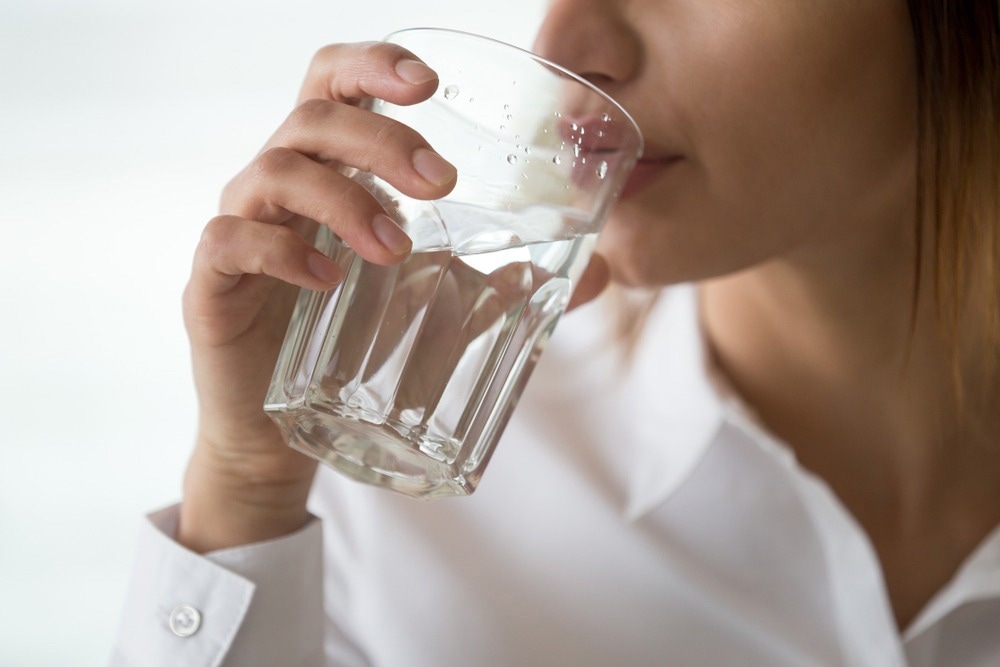
1. Hydration
Adequate water intake helps flush bacteria and reduces recurrence risk.
2. Cranberry Products
Cranberry contains compounds that reduce bacterial adhesion to the bladder wall.
- Best used for prevention
- Not a cure for active infection
3. D-Mannose
A natural sugar shown to block E. coli from sticking to urinary lining.
- Growing evidence for prevention of recurrent UTIs
- Generally well tolerated
4. Probiotics
May help restore healthy microbial balance, especially after antibiotics.
5. Urination Habits
- Do not hold urine for long periods
- Empty bladder fully
- Urinate after sexual activity
Patient Story: Preventing Recurrence Naturally
Suresh, 38, experienced three UTIs in one year following heavy travel and dehydration.
“Once I increased water intake and started D-mannose after consulting my doctor, I haven’t had another episode in over a year.”
Homeopathy and Male UTI: An Evidence-Based Perspective

Homeopathy is frequently sought for chronic or recurrent urinary complaints. Remedies are prescribed individually based on symptom patterns rather than diagnosis alone.
What the Evidence Shows
- Small observational studies suggest possible benefit in reducing recurrence
- Evidence quality is low to moderate
- No strong data supports homeopathy as a stand-alone treatment for acute male UTI
Responsible Use
- Consider only as an adjunct, not a replacement
- Never delay antibiotics in febrile or worsening cases
- Inform your physician if using homeopathic remedies
Integrative Approach: The Safest Path Forward
A sensible, patient-centred plan often looks like this:
- Confirm diagnosis with testing
- Treat active infection medically
- Address underlying causes
- Use natural measures for prevention
- Consider complementary therapies responsibly
Frequently Asked Questions
Can men get UTIs without sexual activity?
Yes. Most male UTIs are unrelated to sex and are linked to urinary obstruction or prostate issues.
Is a male UTI dangerous?
It can be — especially if untreated or recurrent. Kidney infection and sepsis are real risks.
Can home remedies cure a male UTI?
No. They may support recovery or prevent recurrence but do not replace antibiotics.
Final Thoughts: Why Awareness Matters
Male UTIs are often misunderstood, underestimated, and under-treated. They are not merely uncomfortable inconveniences — they are potential indicators of deeper health issues.
With timely diagnosis, evidence-based treatment, and informed use of natural or complementary strategies, most men recover fully and avoid recurrence.
Listen to your symptoms. Seek care early. And treat the cause — not just the infection.