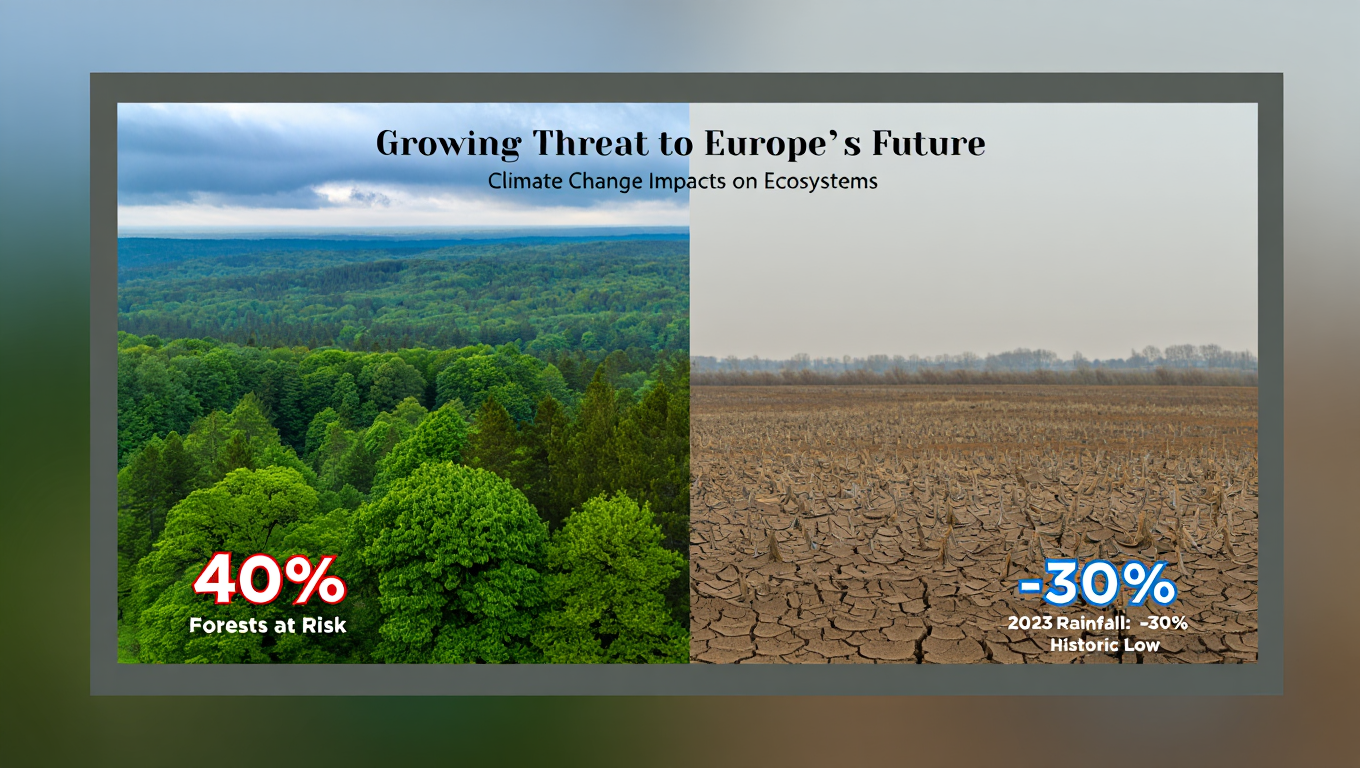
Europe has long been celebrated for its rich landscapes, cultural heritage, and diverse ecosystems. From the alpine forests to the Mediterranean coasts, these natural treasures are not only a source of beauty but also the foundation of the European way of life. Yet today, climate change and the rapid loss of wildlife are eroding these very foundations, putting both ecosystems and human prosperity at risk.
The Alarming State of Europe’s Protected Areas
Despite progress in reducing greenhouse gas emissions, the reality on the ground tells a different story. More than 80% of Europe’s protected areas remain in poor condition, struggling to support the biodiversity they were designed to safeguard. Forests, wetlands, and grasslands that once thrived are now under immense pressure from human activity, pollution, and rising global temperatures.
This decline is not just about losing rare species—it’s about weakening the natural systems that regulate water, air, and soil quality. When ecosystems collapse, communities lose their shield against floods, droughts, and extreme weather events.
Deforestation and Wildfires: A Double Blow
Europe’s forests have long acted as carbon sinks, absorbing emissions and helping balance the climate. But deforestation and increasingly frequent wildfires have reduced this carbon absorption capacity by nearly 30%. This means that even as emissions are cut, the continent’s ability to offset them is shrinking.
The consequences ripple outward: less carbon storage, more greenhouse gases in the atmosphere, and a vicious cycle of warming that accelerates biodiversity loss.
The Risk of Missing 2030 Climate Targets
Experts warn that the European Union is at risk of failing to meet its 2030 climate and biodiversity targets. These goals were designed not only to protect nature but also to secure long‑term prosperity, food security, and public health. Falling short would mean more than missed numbers on a policy sheet—it would mean a tangible decline in quality of life for millions of Europeans.
Why This Matters for Everyday Life
The loss of ecosystems is not an abstract issue. It affects agriculture, tourism, energy, and even cultural traditions tied to the land. Farmers face declining soil fertility, coastal towns battle rising seas, and cities struggle with heatwaves made worse by the loss of green cover.
Protecting nature is not just about conservation—it’s about safeguarding the European way of life for future generations.
A Call for Urgent Action
To reverse these trends, Europe must accelerate efforts in:
- Restoring degraded ecosystems through rewilding and afforestation projects
- Strengthening climate adaptation policies to protect communities from extreme weather
- Investing in renewable energy and sustainable farming to reduce pressure on natural habitats
- Engaging citizens and local communities in conservation efforts, making sustainability a shared responsibility
Conclusion
Climate change and wildlife loss are not distant threats—they are unfolding now, reshaping Europe’s landscapes and livelihoods. The choices made in the coming years will determine whether Europe preserves its natural heritage or faces a future of diminished ecosystems and declining prosperity.
Protecting nature is protecting ourselves. The time for decisive action is now.